

Nearly three in ten Canadians are caregivers. According to a Statistics Canada study published in 2020, about 25% of Canadians aged 15 and over reported providing care or assistance to someone with a long-term health condition, physical or mental disability, or age-related issues in the previous year.
Source: Statistics Canada
Being a caregiver is often an act of love—a quiet, daily commitment that can sometimes be exhausting, yet deeply human. In Quebec, many people support a loved one living with ALS, a disease that transforms everyday life. Their presence, listening, and small acts make all the difference.
Amyotrophic lateral sclerosis (ALS) is a progressive, incurable, and fatal neurodegenerative disease that destroys motor neurons. People with ALS gradually lose mobility, as well as the ability to speak, eat, and eventually breathe. The senses are not affected, and 80% of people diagnosed with ALS die within two to five years.
In this context, caregivers become essential pillars for maintaining the well-being and quality of life of the person living with ALS.
What Is a Caregiver?
According to the Act to recognize and support caregivers, a caregiver is someone who supports a loved one with a temporary or permanent disability, whether physical, psychological, or social. This support is based on an emotional, family, or friendly bond and takes place outside a professional context.
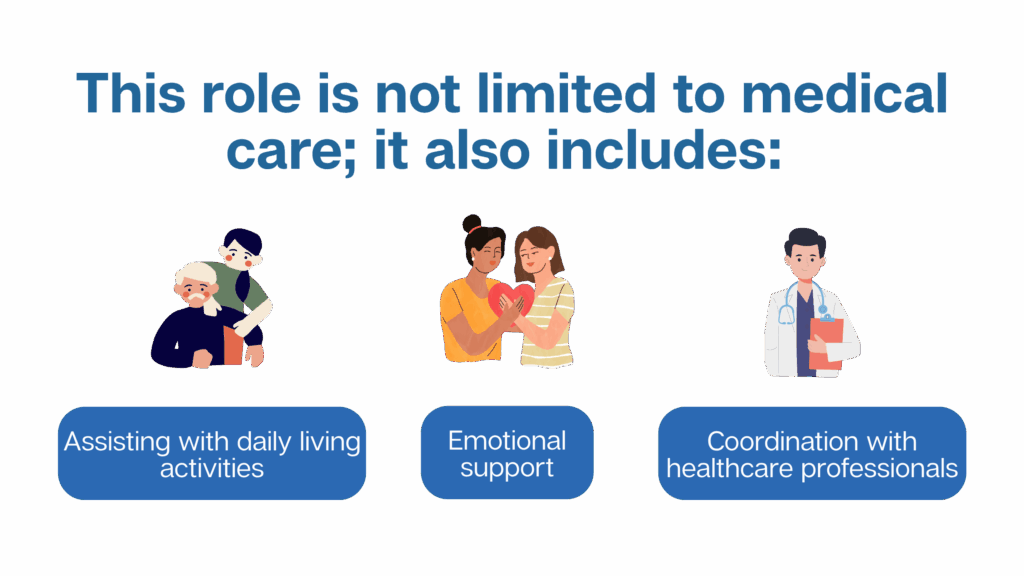
The type of support provided varies depending on needs: it can include assistance with daily tasks, emotional support, transportation, or coordinating services. This role may be occasional or continuous, short-term or long-term.
Unlike healthcare professionals, caregivers are not required to have formal training or receive payment. Yet, their role is crucial for the quality of life and well-being of the person with ALS. They provide not only physical care but also ensure safety, comfort, autonomy, and the maintenance of social connections.

The Multifaceted Role of a Caregiver
Being a caregiver is not just about helping with daily tasks—it’s about being a quiet but essential pillar, present at every stage of the person’s life. Their role spans all areas, sometimes visible, sometimes invisible.
Daily, caregivers provide emotional and psychological support by:
- Listening
- Reassuring
- Accompanying to appointments
- Participating in important decisions
- Stimulating memory or mobility
- And above all, preserving the dignity and identity of the person they care for
Support also extends to daily living activities (ADLs):
- Preparing suitable meals
- Grocery shopping
- Managing the household
- Assisting with hygiene or dressing
- Helping with getting up or going to bed
- Sometimes even sharing the home to be present at every need
Caregivers also play a role in medical care:
- Monitoring treatments
- Administering medications
- Performing minor interventions
Behind each appointment or treatment is often significant logistics:
- Organizing care
- Coordinating with healthcare professionals
- Providing transportation
- Managing finances and administrative tasks
- Supporting social participation through cultural, sports, or educational activities
Their commitment goes beyond mere “assistance”: it’s about creating a safe, humane, and warm environment where the person can continue to live fully and with dignity.
Emotional and Psychological Challenges for Caregivers
Being a caregiver is an intense experience where daily joys coexist with heavy emotional challenges. Caregivers provide constant emotional support, sharing in the suffering, fears, and frustrations of the person they care for, while remaining the household pillar. This responsibility often creates an invisible mental load.
Ambivalence, isolation, guilt, anger, loneliness, anxiety, or feelings of helplessness can be part of everyday life, especially as the disease progresses and critical decisions arise.
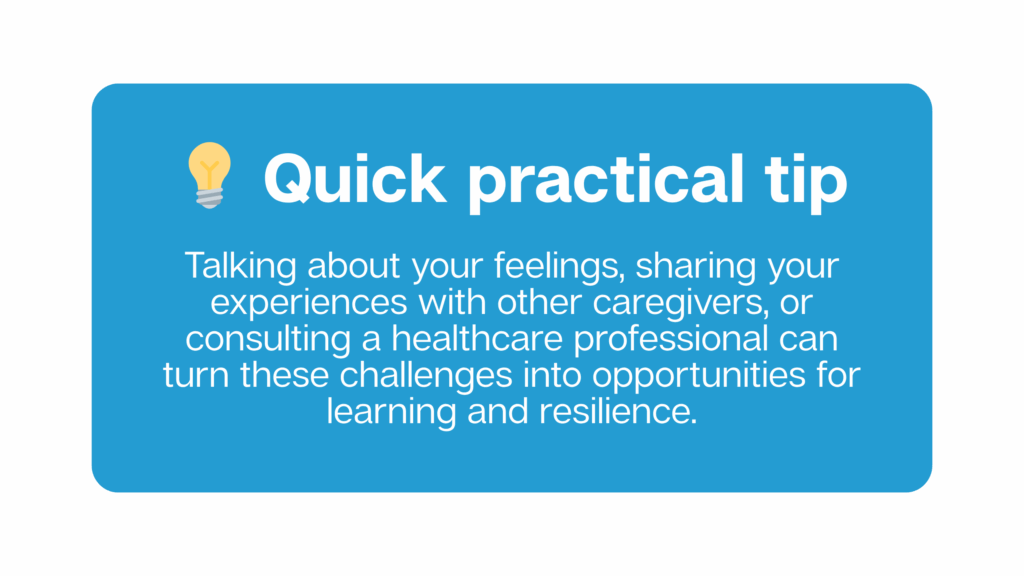
Recognizing these emotions and seeking support is essential to maintain balance and continue providing effective care.
Tips for Maintaining Health and Balance
Providing care can be rewarding but physically and emotionally exhausting. Here are some tips to stay balanced:
- Define which tasks you are willing to do and which you are not
- Set aside time to exercise, eat well, and take care of yourself
- Reserve moments for relaxation and maintain connections with others
- Involve family, friends, and neighbours to share responsibilities
- Make time for quality sleep to restore energy
Support Offered by ALS Quebec
You are not alone. ALS Quebec offers specialized resources and services to support caregivers, reduce stress, and help provide the best care possible for a loved one with ALS:
- Resources for caregivers
- Personalized support programs
- Support groups and workshops—including groups for bereaved individuals, caregivers, people living with ALS, and bilingual groups
- Practical guides and resources to make daily life easier